Cards Hi Lo: A Clear High-or-Low Card Game Guide
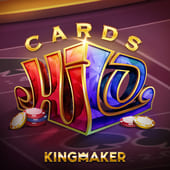
Cards Hi Lo
Cards Hi Lo is a focused Cards Game experience for players who enjoy quick decisions and a simple, readable card sequence. Each round invites you to compare the visible card with the next card and select whether it will be higher or lower.
The appeal of Cards Hi Lo comes from its compact format. You do not need a long paytable or a complicated interface to understand the next decision. Instead, you can watch the card shown on the table, consider its rank, and make a measured high-or-low choice. That direct rhythm makes the title approachable while still leaving room for careful observation.
This page explains the Cards Hi Lo round structure, the purpose of a Cards Hi Lo Demo session, and practical habits for a controlled session on ph799. A demo-style review is useful for learning the controls and pacing before you decide whether the game belongs in your entertainment routine. Outcomes remain uncertain, so no approach can guarantee a win.
If you enjoy comparing card values, you can also explore Olympus Glory as another way to discover the wider ph799 game collection. Keep your choices within a budget, take breaks, and treat every Cards Game session as entertainment rather than a way to earn money.
What Is Cards Hi Lo?
Cards Hi Lo uses one familiar question at the centre of every decision: will the next card be higher or lower than the reference card? Card rank provides the basic comparison, while the current position helps you understand the context of the choice. The design is intentionally easy to follow, making it suitable for a short break or a beginner’s first Cards Game session.
A Cards Hi Lo Demo review should focus on the flow rather than promises. Check how the current card is displayed, identify the high and low controls, and notice how the next card changes the reference point. This kind of practice can make the interface feel more familiar without turning a random result into a prediction.
Easy Card Comparison
The central high-or-low comparison is presented in a way that keeps the decision visible. Focus on the rank shown instead of trying to read more signals into a random draw.
Quick Round Rhythm
Short rounds let you pause between choices. That makes it easier to set a session limit and step away when you have reached it.
Mobile-Friendly Focus
The focused layout suits a phone screen, so the important card and decision controls stay at the centre of the Cards Hi Lo experience.
How to Play Cards Hi Lo
Use the following steps as a simple Cards Hi Lo Demo checklist. The checklist describes navigation and decision flow; it is not a promise about the result of any round.
1. Open the Game
Enter the Cards Hi Lo page from a trusted ph799 route and allow the game view to load. Confirm that the title and card area are clear before starting.
2. Set a Session Limit
Choose a time and entertainment budget before making a choice. A clear limit helps you keep a short Cards Game session comfortable and controlled.
3. Read the Reference Card
Look at the card currently shown and note its rank. Suits may add visual character, but the high-or-low question is based on the card comparison presented by the game.
4. Choose High or Low
Select the control that matches your decision. Do not rush simply because the round is quick; a pause can help you follow your own session plan.
5. Review and Pause
After the next card appears, review the round, keep your limit in view, and pause whenever the session stops feeling enjoyable or focused.
The best use of a Cards Hi Lo Demo is to learn where the controls are and how the reference card changes. It should not be used to claim that a streak predicts the next card. Random outcomes can produce runs in either direction, and a previous result does not change the uncertainty of the following round.
Cards Hi Lo Features for a Focused Session
A good Cards Game interface gives you enough information to make a choice without burying the decision in unnecessary screens. Cards Hi Lo keeps the core action compact, which can help new players understand the round before they consider any personal strategy.
Visible Reference Point
The displayed card gives every round a clear starting point. Compare what is shown, then make one decision at a time instead of trying to anticipate a long sequence.
Direct Controls
High and low choices are easy to identify, which is important on a smaller screen. Take a moment to confirm the selected action before continuing.
Flexible Pace
The quick format does not require you to play continuously. Use natural pauses to check your time limit, breathe, and decide whether to continue.
Simple Learning Curve
A short Cards Hi Lo Demo can introduce card rank comparison without overwhelming new players with several bonus systems at once.
Responsible Session Design
Because the format is compact, it is easy to define a start and end point. Use that simplicity to support responsible play rather than to extend a session indefinitely.
Ready to compare another style? The ph799 catalogue includes Mummy Lock Riches, which offers a different presentation from this compact card comparison. Exploring variety can be more enjoyable when you keep a consistent budget and choose a game because you like its format.
Practical Cards Hi Lo Strategies
There is no guaranteed Cards Hi Lo system because the next card remains uncertain. A useful strategy is therefore about decision discipline, not a promise of a particular outcome. Start by setting a small, affordable entertainment limit and decide how long a session should last before opening the game.
Protect Your Budget
Separate an entertainment amount from money needed for daily expenses. Never increase a stake simply to recover a previous result.
Use Time Checks
Quick rounds can make time pass unnoticed. Check the clock at planned intervals and finish when your limit is reached.
Keep Choices Consistent
Avoid switching plans because of excitement or frustration. A steady approach makes it easier to judge whether the Cards Hi Lo format suits you.
Take Real Breaks
Step away after a planned number of rounds. Fresh attention is more useful than chasing a pattern that may not exist.
Treat any Cards Hi Lo Demo history as a record of what happened, not evidence of what must happen next. High and low selections can both appear in changing sequences. This mindset protects the fun, keeps the Cards Game understandable, and helps you make choices that match your own limits.
Cards Hi Lo FAQ
Cards Hi Lo is a card comparison game in which you choose whether the next card will be higher or lower than the reference card shown. The format is quick to learn, but each result is uncertain.
Yes. A demo-style session can help you identify the card display and high-or-low controls. It cannot predict future cards or guarantee a result, so use it for familiarity and pacing.
No. A previous card or streak cannot guarantee the next outcome. The most practical approach is to set a budget, play for entertainment, avoid chasing losses, and stop when your personal limit is reached.
Pause immediately and step away. Review your time and spending limits, and only return if the activity still fits your entertainment plan. Help is available through local responsible-gaming resources if you need support.
Related Games
If you like the pace of Cards Hi Lo, these real ph799 titles offer additional ways to explore card, casual, and themed game formats. Select a title to read its dedicated guide.






Start Your Cards Hi Lo Session
Cards Hi Lo gives the ph799 catalogue a concise Cards Game option with a clear high-or-low decision. Begin with the Cards Hi Lo Demo approach described above, learn the interface, and keep every choice inside a plan that feels comfortable. A measured session is more valuable than trying to extend play after your limit has been reached.
For another gem-themed destination in the catalogue, you can read the guide to Fortune Gems 2. Whether you stay with card comparisons or try a different format, choose games for their entertainment value, review the rules, and take regular breaks.